In a nutshell series: Traditional Chinese Medicine

In this series “In a nutshell- Layman’s Explanation”, we will be looking at various modalities of health practitioners such as chiropractors or physical therapists and what they do. Why? I’ve been to all of them and if you’re starting to crack like me, at some point you might find yourself wondering, ‘Who do I go to? Why can’t I just do Pilates and get a massage?’
So today, let’s look at Traditional Chinese Medicine (TCM). Strap in, it’s gonna be a rough ride. I’ll try to keep it succent.
What does a TCM Doctor do?
Make you cry. And then tell you, they’ll never give you acupuncture again in the face and do it somewhere less painful next time and you ask, ‘Why didn’t you do that the first two times?’ ‘Because it works faster’. And then you are cured within a few weeks from sandpaper skin face brought on by the worst hay fever you’ve ever had in Beijing.

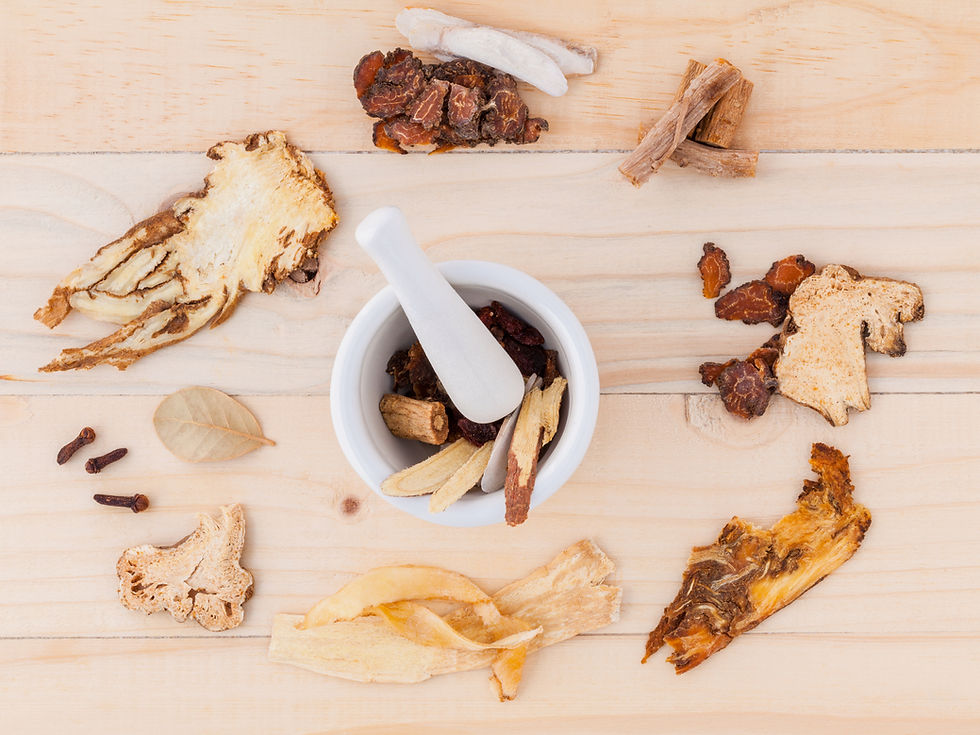
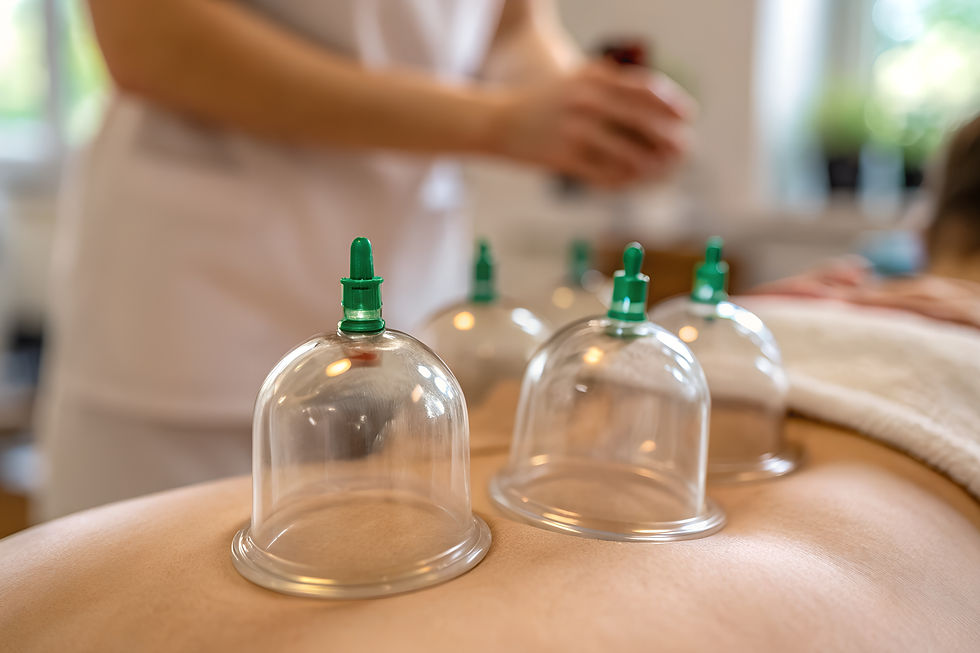
A TCM doctor works like a regular GP except from a different standpoint to Western medicine. But that doesn’t necessarily mean they aren’t well versed in Western Medicine also. Some are, some aren’t. They work with the whole body to cure you from anything from a cold to long term illnesses to fixing your painful back. They are trained in in acupuncture, cupping, moxibustion, Chinese herbal medicine. Many know TuiNa (a form of Chinese manual therapy -similar to chiropractic). They work to restore the Yin & Yang balance in your system.
What qualifications to they have to obtain?
In Australia, a Bachelor of Traditional Chinese Medicine
Licence
200+ clinical hours
Ongoing education
Isn’t this all pseudo-science?
While modern science often disagrees with Chinese medicine, it is something that more than a quarter of the world’s population turn to, including non-Chinese. Today there are many practitioners of TCM that are not Chinese. The problem between Western Medicine and TCM is due to fundamental differences in diagnostic approaches, treatment targets, and underlying philosophies.
Chinese medicine has ancient books on herbal medicine, pulse reading and the systems that analyse how a body is affected. It believes in preventing disease before it takes hold and focuses on ‘addressing imbalances in the flow of Qi, the interplay of Yin and Yang, and the relationships between the Five Elements. TCM recognizes that illness arises from disruptions caused by three major factors and aims to treat an imbalance arising from these:
External Influences: Environmental conditions like wind, heat, cold, or dampness can invade the body, disturbing its natural balance.
Internal Factors: Emotions such as anger, sadness, or fear can disrupt the harmony of Qi and organ function.
Lifestyle Choices: Poor diet, lack of exercise, or excessive stress lead to blockages or deficiencies in Qi. ‘ 1
Finally, in the view that science is still evolving and every person’s body is different with a myriad of things science doesn’t yet understand, I personally believe it is a bad idea to throw out an established practice that has been around for so long. When I had hay fever in Beijing so bad, it destroyed my skin, I didn’t know it was hay fever. My TCM said it was but I trotted off to the hospital where Western medicine was practiced- an adventure in itself navigating language gaps- and after many many tests were done with no conclusion, a nurse walked in noted I hadn’t been checked for hayfever. Sure enough it was hayfever. They told me it was so severe, I’d need more than a double dose of antihistamines and suggested a TCM. I crawled back to my TCM, was given medicine to take and acupuncture. I started to clear up within two days and was fully better within a few weeks. Here’s my face for evidence:

If I’m sick in Australia or New Zealand, why would I see one over a GP?
Personally speaking, I feel there are benefits to both. Your GP can give you an official diagnosis, a sick note and prescribe western medicine. Your GP can refer you to specialists and scans. A TCM is the person who helps heal you when the medicine isn’t working, or you need something to boost your health. TCM is slower for sure but it often dives deeper. So my recommendation is, if you want to get better so you can go back to work, go see your GP. But if you’re still feeling low after, go to a TCM. If you’re constantly sick with no reason and no results indicating what is wrong, go see a TCM. If they give some direction- for example, if they say they suspect you have cancer, but your GP won’t listen, go find a new GP, preferably one that is known to listen or one that respects alternative medicine (they do exist) and then present your case. Remember, this is your body and at the end of the day you are responsible for its well-being.
When do I need to consider seeing one?
A bad virus that effects linger after you’re better
Bad hayfever
Joint and muscle pain
Constant headaches
Pretty much anything
Is one appointment enough?
No
What should I expect from a first appointment?
They will definitely look at your tongue and take your pulse. This is a guarantee.
They will ask you about your medical history and then suggest treatment options.
Will I feel any pain or nothing at all?
It entirely depends on their treatment. They may simply recommend Chinese Medicine. Or, they may give acupuncture or cupping or another kind of treatment. That will then depend on several factors: experience with the procedure (yours), pain threshold, time of month (women) etc.
In conclusion,
There is so much to unpack with TCM. For further reading, I recommend checking out the following sites: